

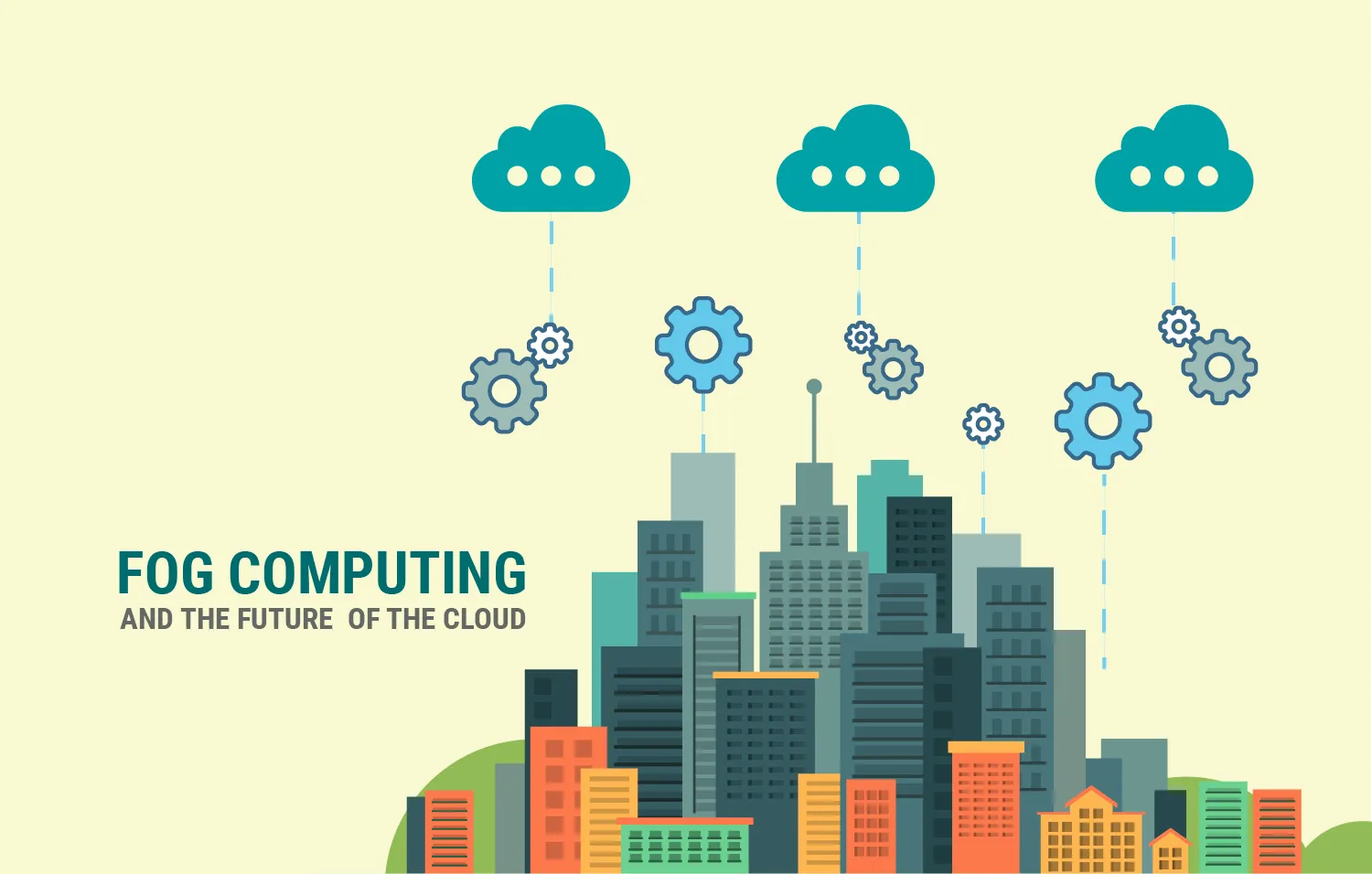
Just when we got used to the term cloud computing, we got introduced to something called fog computing – which is just an extension of cloud computing but has become the latest buzzword. In pure technical terms, it’s the form of computing where the data is managed and processed at the edge of the network, rather than routing it through a central data center in the cloud – hence deriving the name edge computing or fogging.
The world is growing at a fast pace and so is data – agility and flexibility of Big Data applications are gradually taking the form of the Internet of Things (IoT), arising a need for decentralized model for computing. Due to this, fog computing was designed and is now positioned as a layer to reduce the latency in hybrid cloud scenarios. It enables a new breed of applications and services, particularly when it comes to data management and analytics and is a middle layer between cloud and the hardware. Fog computing is a cloud computing design, which results in superior user experience (UX) as it uses wide geographical distribution to handle real-time Big Data sets. It allows for a more distributed strategic compilation of data hence aiding project managers in lowering costs and improving efficiency as it facilitates data processing, analysis, and storage as devices communicate peer-to-peer.
Fog computing provides superior support for mobility since its proximity to the end users, improves Quality of Service (QoS) and provides an enhanced UX. Fog computing has other benefits too like data security, system reliability, and requirement of less power to run devices.
As it involves real-time analytics, fog computing is valuable for patient monitoring and crisis response, especially in rural areas. It has the potential to aid smart cities function more effectively as it collects data on city activities from traffic to utilities and processes it locally. With real time interactions/communication between vehicles, traffic lights, and access points, fog computing offers a much safer commuting experience.
Due to proliferation of IoT devices and operations technologies, in addition to the fact that decision intelligence needs to be closer to the field than the central platform – enterprises are gradually shifting towards decentralizing the cloud. The fog computing market is forecasted to be worth 203.48 million USD by 2022. It is the product of need as it fulfills real-time processes, and action of incoming data. With the advent of this concept and the added benefits to the existing cloud, we can focus on the services of IoT and its advancement. It’s safe to conclude that with the rise in connected devices and the increased bandwidth for storage and processing, fog computing is the future.